Wellness Is Redefining Luxury Living — And It’s Just Getting Started
By Stafford
Luxury real estate has always evolved with lifestyle expectations, but today, we’re seeing one of the most meaningful shifts in decades. According to a recent article in The Globe and Mail, wellness has rapidly emerged as the defining megatrend shaping the future of premium residential design.
This is no longer about adding a gym or spa for marketing purposes. Wellness is becoming the structural foundation of how luxury buildings are imagined, built, and lived in. It influences architecture, unit planning, material selection, technology, amenity programming, and even community culture.
At Stafford, we’ve always believed that true luxury should elevate daily life, not just impress on first impression. Wellness-centered design makes that philosophy tangible.
Why Wellness Is Now Central to Luxury Real Estate
Homes are increasingly expected to do more than provide shelter or visual appeal — they are being designed to support mental, physical, and emotional well-being. This evolution is reflected in the rise of biophilic principles, such as maximizing natural light, incorporating organic materials, and designing spaces that promote calmness, comfort, and mental clarity. Spatial planning is more thoughtful, placing emphasis on flow, acoustics, and purposeful quiet zones that allow residents to retreat, recharge, and restore. Smart building systems are also being adopted to support wellness, such as air filtration, thermal comfort, and circadian lighting — all elements that improve how people feel, sleep, and live inside their homes.
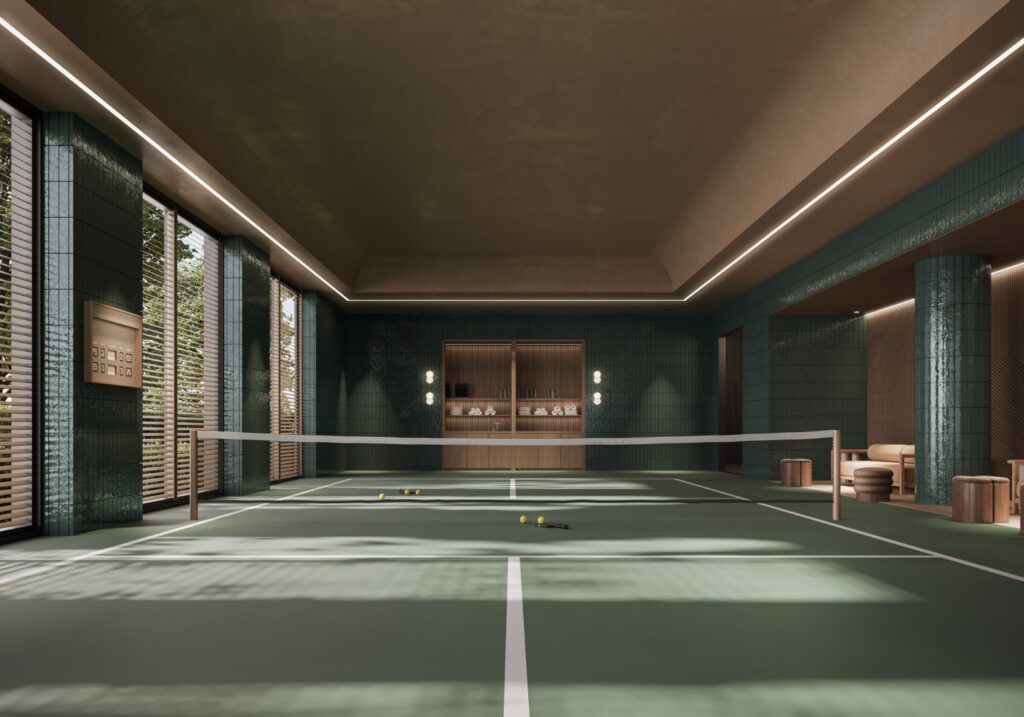
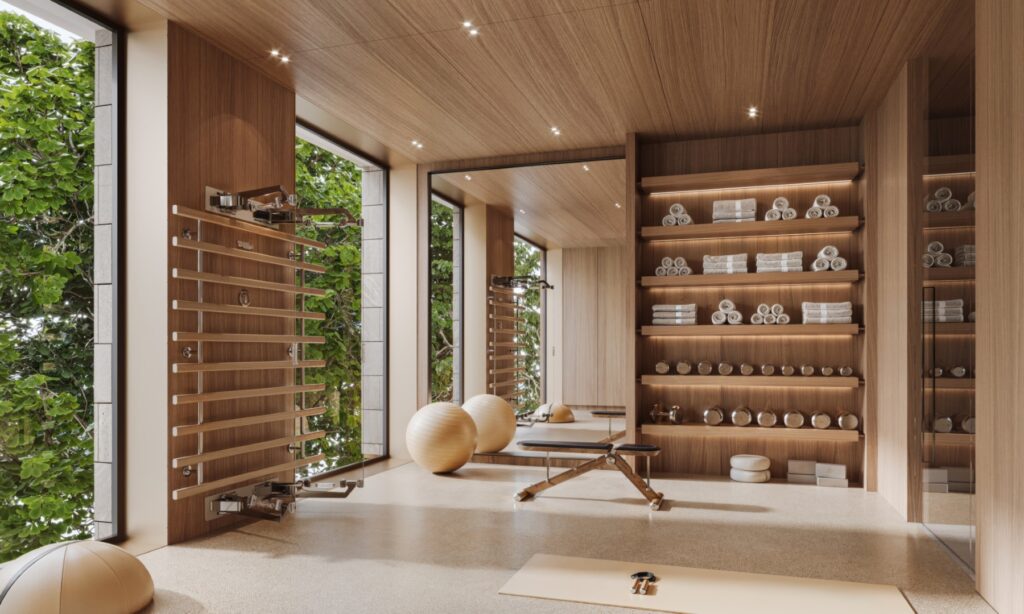
Amenities, too, are transforming, shifting from promotion-driven features to purpose-driven experiences. Rather than oversized pools and seldom-used common areas, luxury buildings are increasingly focused on specialized wellness facilities like infrared and red-light therapy rooms, reformer studios, Scandinavian saunas, private steam and ice-bath rooms, and meditation lounges designed for mindful disconnection. The emphasis is on usability, performance, and longevity rather than visual flair alone. At 429 Walmer, for example, every amenity has been curated not for quantity but for quality and scaled to support real, daily use while contributing to the holistic health of residents.
Technology is also being reframed through the lens of wellness. While smart homes once emphasized convenience, automation, and entertainment, today’s best systems are engineered to protect and enhance health. Air-quality monitoring, reduced-touch surface technology, acoustic insulation, and intelligent lighting that supports natural circadian rhythms are becoming essential features in premium developments. This represents a shift away from luxury as decoration toward luxury as lifestyle. One that is deeply intentional, health-focused, and built for the long term.
The Stafford Perspective
At Stafford, wellness is not treated as a trend or a feature; it’s a principle that guides decision-making from the beginning of every project. We believe luxury should be lived, not just admired. That’s why our design philosophy prioritizes large, livable suites; privacy-focused buildings without short-term turnover; thoughtfully scaled amenities designed for daily use; and wellness-integrated engineering that contributes to holistic resident wellbeing. In boutique projects like 429 Walmer, the vision is clear: homes should make life not only more beautiful, but truly better.
We aren’t simply constructing buildings, we’re designing environments where people feel healthier, more grounded, and more connected to their surroundings. That, in our view, is the future of luxury.
Explore the Full Feature
To dive deeper into how wellness is transforming luxury real estate design, read the full feature in The Globe and Mail: Megatrend in Wellness Is Reshaping Luxury Design and Amenities.
